

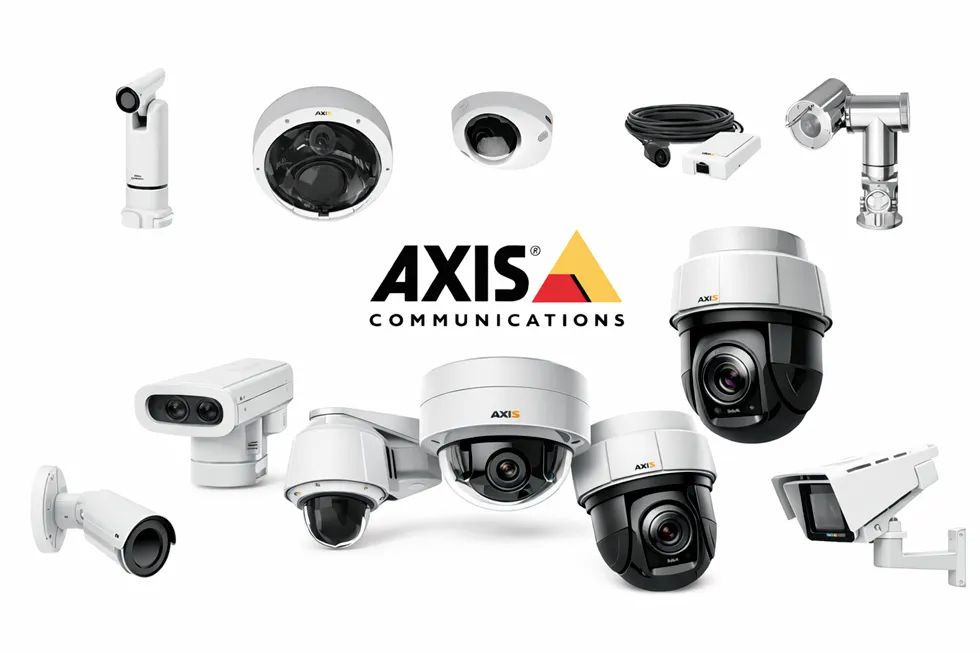
What Is an Axis Camera
An Axis camera refers to professional, IP-based (network) security cameras designed for digital video capture, processing, and transmission over an IP network. While many brands offer IP cameras today, Axis camera solutions are commonly positioned for enterprise-grade security where image quality, reliability, long-term maintainability, and cybersecurity are essential requirements. In other words, Axis cameras are not only recording devices; when properly designed and integrated, they become intelligent tools that help detect incidents earlier, streamline security operations, and support post-event investigations.
At TISI, we approach Axis projects as complete systems rather than standalone products. High performance in IP video is achieved through a combination of correct camera placement, lens selection, bandwidth and bitrate planning, recording architecture, and video management software (VMS) integration. This system-level engineering mindset is what turns “cameras on a wall” into a secure, scalable, and manageable security platform.
How Does an Axis Camera Work?
Axis cameras capture video using digital image sensors, process the video internally, and transmit it through your network to the destination platform. The destination may be an NVR, a server-based recording system, a cloud platform, or a VMS solution. The major advantage of IP-based architecture is scalability: as your project grows, you can add cameras to the same network and manage users, permissions, recording policies, and monitoring screens centrally.
In modern enterprise environments, a camera is expected to do more than save footage. Remote access, centralized monitoring, multi-site management, event-based recording, alarm-driven workflows, and reporting are often part of the requirements. Axis camera systems are typically selected for projects that need these capabilities to work reliably over time.
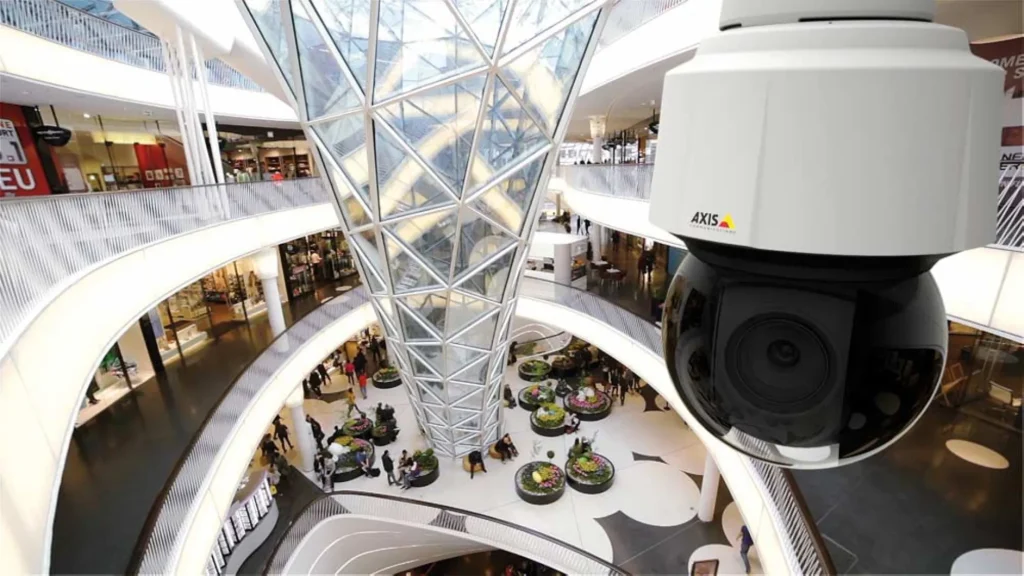
Key Advantages of Axis Camera Systems
Axis cameras are known for combining strong imaging performance with a robust ecosystem that supports integration and long-term use. Depending on the project, the most valuable advantages usually fall under these categories:
- High image clarity: Better detail capture to support investigations and operational awareness.
- Consistent low-light performance: More stable imaging in challenging lighting conditions.
- Video analytics: Smart analysis scenarios such as intrusion detection, line crossing, and area monitoring.
- Centralized management readiness: Suitable for security control rooms and multi-site operations.
- Cybersecurity-focused design: Built with enterprise security considerations in mind.
- Scalable architecture: Easy to expand without redesigning the entire system.
Axis Cameras vs Traditional Analog CCTV
Traditional analog CCTV systems typically rely on limited resolution and more rigid recording architectures. IP-based Axis camera systems, by contrast, use network infrastructure, which enables more flexible system design. Multiple buildings, sites, or even cities can be connected into a single monitoring center, while user permissions and recording rules can be configured on a per-camera basis.
Another important difference is that IP video can support more advanced workflows. Beyond simply storing footage, modern security aims to support faster response and smarter operations. Higher image quality, improved system control, and analytics-ready architecture help organizations move from reactive security to proactive security.
Where Are Axis Cameras Used?
Axis cameras are commonly deployed in environments where reliability and operational continuity matter. Typical use cases include healthcare facilities, industrial sites, logistics hubs, campuses, public institutions, and critical infrastructure. In these scenarios, the goal is not only to record events but also to improve visibility, enhance access control workflows, and speed up incident response.
- Hospitals, clinics, and healthcare campuses
- Industrial plants and manufacturing environments
- Warehouses, logistics hubs, and distribution centers
- Corporate campuses, office buildings, and data centers
- Government buildings and municipal facilities
- Transportation infrastructure (terminals, parking areas, stations, etc.)
How to Choose the Right Axis Camera
If you are searching for “what is an Axis camera,” the next step is typically selecting the right solution for your needs. Professional selection should be based on the security objective and the environment rather than a single product model. For example, identification-focused areas may require a different lens and resolution strategy than general surveillance zones. Outdoor environments may prioritize weather resistance and low-light performance, while high-risk areas may require vandal-resistant housing and stricter access control integration.
- Security objective: Identification, recognition, detection, or general monitoring
- Environment: Indoor/outdoor, lighting conditions, weather, and vandalism risk
- Optics: Fixed vs varifocal lens, field of view, installation height
- Recording architecture: Retention period, FPS, bitrate planning, redundancy
- Integration needs: Alarms, access control, analytics workflows, control room operations
Axis Camera Solutions with TISI
TISI delivers Axis camera projects with a full lifecycle approach: site assessment, system design, professional installation, commissioning, and technical support. Our goal is to build stable, manageable, and scalable IP video infrastructures that perform consistently in real-world operations. If you need help selecting the right Axis camera models or designing a reliable recording and monitoring architecture, contact TISI for a project-specific solution proposal.
Frequently Asked Questions
Is an Axis camera an IP camera?
Yes. Axis cameras are IP-based network cameras designed to transmit digital video over an IP network, enabling centralized management and remote access.
What types of projects benefit most from Axis cameras?
Enterprise environments where reliability, image quality, cybersecurity considerations, and long-term maintainability are critical often benefit from Axis solutions.
What is the most important factor in an Axis camera deployment?
Camera selection is important, but network design, recording policies, and VMS integration are equally critical to building a stable, sustainable system.